
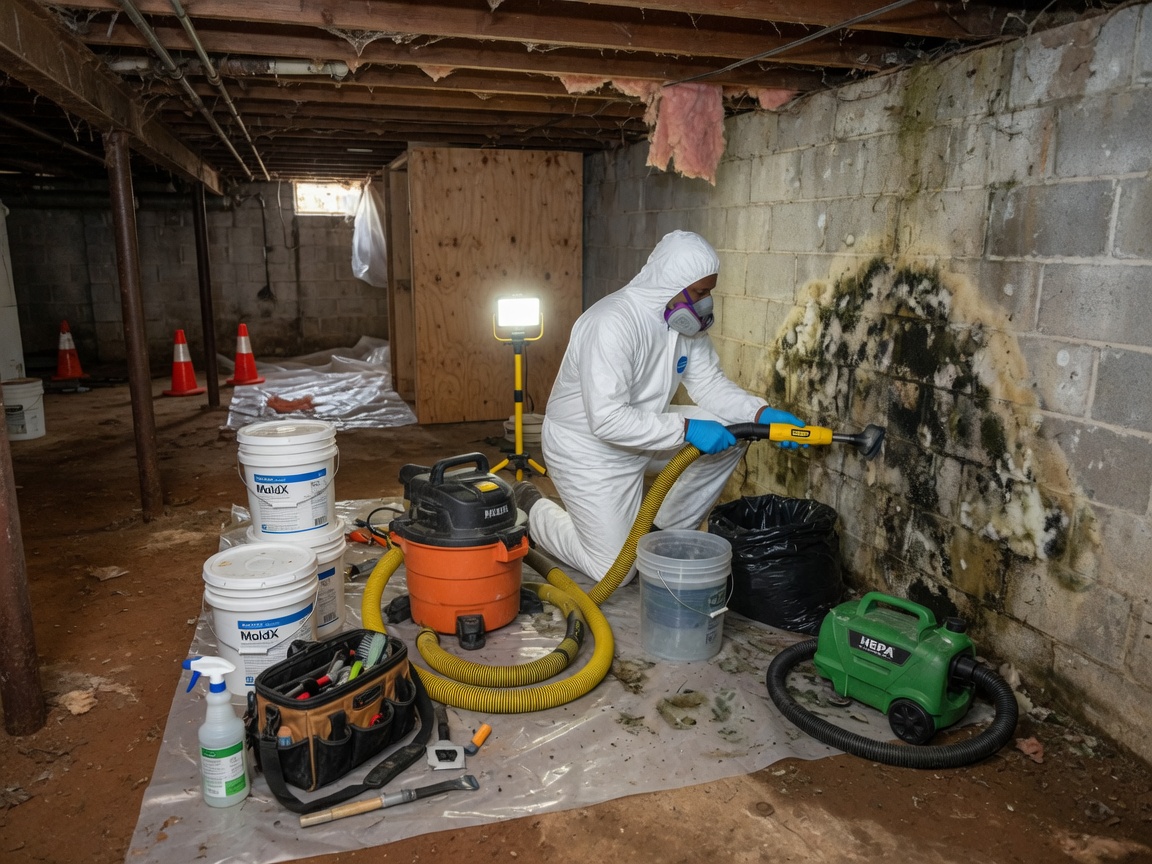
Chattanooga Mold Pros handles mold remediation calls in St. Elmo by focusing on the neighborhood's older Victorian and early-20th-century homes built on the lower slopes of Lookout Mountain. These houses often sit on sloped lots where rainwater runs toward foundations, and many still have original crawl spaces or basements that stay damp during the humid subtropical summers and after winter rains. Crews start with moisture mapping along St. Elmo Avenue and James Boulevard before any removal work begins.
Access in St. Elmo can be tight because of narrow streets and limited parking near the Incline Railway station. Technicians park equipment on side streets and carry containment barriers and air scrubbers up steep driveways or through side yards. The same four-season weather that brings heavy spring pollen and summer humidity also pushes homeowners to call after roof leaks or poor gutter drainage allow mold to take hold behind plaster walls.
Every job ends with a walkthrough so owners can see the cleared areas and check the dehumidification setup. Work stays limited to the affected rooms whenever possible so families can stay in the rest of the house during the process.
Around St. Elmo
We regularly work near:
- 📍St. Elmo Avenue
- 📍Lookout Mountain Incline Railway
- 📍James Boulevard
- 📍Ruby Falls entrance area
- 📍St. Elmo Historic District
Mold Remediation in St. Elmo — Local Notes
- •St. Elmo's early-1900s homes frequently have stone foundations and dirt crawl spaces that collect runoff from Lookout Mountain slopes, requiring extra drying time before sealing.
- •Narrow lots along St. Elmo Avenue limit equipment staging, so crews use smaller negative-air machines and hand-carry containment materials to reach rear additions.
- •Historic plaster walls and original hardwood floors mean removal stops at the first sign of hidden mold rather than full demolition, preserving the structure while still clearing growth.
- •Proximity to the Tennessee River and frequent summer humidity spikes make post-remediation dehumidifier placement critical in basements that sit below street grade.